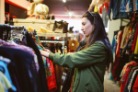




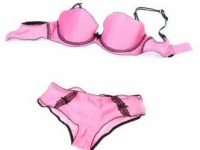
The underwear market is not insulated from the Credit Crunch and UK recession: after a relatively good 2008, which saw the sector grow by 2.3% on 2007 and reach a value of £3.4 billion, Mintel estimates that it will decline by 1.2% in 2009. Menswear will be hit harder than womenswear.
Search within report
Searching...
Overview
Overview
This report provides in-depth analysis and insight supported by a range of data. At the same time, introductory and top-level content is provided to give you an overview of the issues covered.
Future Opportunities
Market in Brief
Market
Market
Mintel provides a range of market information across categories including: forecasting and share information; internal and broader market environment information; and the issues that affect the market in question.
Issues in the Market
Internal Market Environment
Broader Market Environment
Competitive Context
Strengths and Weaknesses
Market Value and Forecast
Market Segment Performance
Channels of Distribution
Consumer
Consumer
Mintel conducts exclusive and original consumer research for reports, bringing up-to-date and unique insight to topical issues. This research examines the impact of social, economic, cultural and psychological influences on consumers.
The Consumer – Where They Buy
The Consumer – Where They Buy Hosiery
The Consumer – Attitudes to Buying Underwear and Hosiery
Consumer Typologies
Brand/Company
Brand/Company
Our brand research provides data and informed analysis across a number of consumer metrics including usage, satisfaction, recommendation, momentum and trust. It also explores consumer attitudes towards brands and examines the reasons behind these.
Who’s Innovating?
Retail Advertising and Promotion
Retail Competitor Analysis
Retailer Profiles
Data
Data
Reports provide appendices of data to support the research and insight produced. Our tables of data are easily manipulated and downloadable to support your research needs and covers factors from consumer attitudes to market forecasts.
Appendix – Internal Market Environment
Appendix – Broader Market Environment
Appendix – Retailer Profiles
Appendix – Where They Buy Underwear
Appendix – Where They Buy hosiery
Appendix – Their Attitudes to Underwear and Hosiery Buying
Appendix – Typologies
|
 How is competing on design, differentiation, choice, service and added value essential in order to attract customers?